

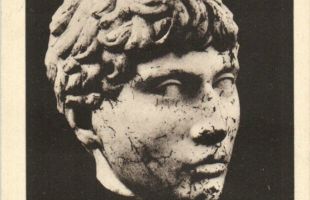

September 28th, 2015 . Emanuele Papi, Professor of Classical Archeology at the University of Siena and of Roman Archeology at the Italian Archaeological School of Athens, has been on many archaeological missions in Greece, Morocco and Egypt. And his experience will take the stage on September 29, in a conference organized by the Italian Cultural Institute in Rabat and INSAP. The event will center around Moroccan marble statues during Roman times. The oldest statues in the North African country were carved at the time of King Juba II and Ptolemy (25 BC – 40 AD), to celebrate heroes and kings as gods. The marble was imported from Greece and the statues were probably transported from the workshops of Caesarea in Mauritania, the capital of the Kingdom (now Cherchell in Algeria). Roman Moroccan families (40- end III / V century AD) used the marble statues to depict gods, emperors, the most eminent personalities of the city and also to furnish their homes. Each city had its own set of statues commissioned from local artists or imported from other centers of the Mediterranean, expressing the will to self-representation of both military and civilian communities. The history of these statues tells an interesting and so far little known story of ancient Morocco. The meeting will be held at 6:30pm at the headquarters of the Italian Cultural Institute in Rabat. (Red)
