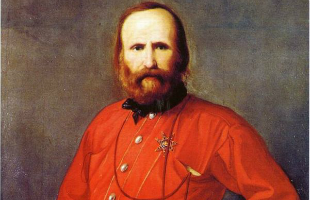
October 13th, 2015 – The relationship between the Hero of Two Worlds and Malta is at the center of a book, “Garibaldi’s Maltese corsairs. 1837” by Abraham Borg, presented recently at the Institute of Italian Culture in Valletta, in collaboration with the Maltese publishing house MidseaBook and in the presence of the Italian ambassador, Giovanni Umberto De Vito. The debate saw the participation of the Director of the Institute, Salvatore Schirmo, as well as eminent political personalities including the Maltese president emeritus, Ugo Mifsud Bonnici and the Minister for Education and Employment, Evarist Bartolo. “Both – reads a note from the Institute – recalled the close interconnections in the history of Malta and Italy, the deep roots that bind the two countries, and how the same island was granted the right to the freedom of the press in its support to the exploits of Garibaldi and the unification of Italy.” The triumphant visit of Giuseppe Garibaldi in England of April 1864 came after his stay in Malta on 23-24 March, an act that he considered a duty to the island and its people, who, for so long, had hosted many exiles of the liberal faction after the first attempts of the Italian Risorgimento. Garibaldi, after Mazzini’s failed expedition of 1833 in Savoy, was sentenced to death and had to flee Italy arriving in December 1835 in Rio de Janeiro. He soon joined the rebellious forces in the province of Rio Grande do Sul, for which he commandeered ships against those of the Brazilian Imperial Government. Among the crew of thirteen sailors there were two Maltese. During a battle at sea, Garibaldi was seriously wounded, and repaired in Gualeguay in Argentina, where he was captured along with his sailors. The documents of the process reveal the Maltese pirates’ names, which were transcribed and published by an Italian diplomat in a little-known book in 1964. The book “Garibaldi’s Maltese Corsairs” recounts this story thanks to a series of original documents included in the publication, which were illustrated by the author during the presentation. At the end of the presentation, the editor Joseph Mizzi presented the editorials stages that led to the publication of the book. (Red)

Relations between Garibaldi and Malta in the book of a diplomat