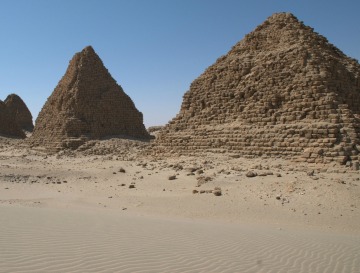
Feb. 12 – Napata, a city of the high Nubia in the south of Egypt, was once synonymous with splendor and power. The city was founded around 1450 BC and was the capital of Egypt during the XXV dynasty; one of the most important centers, it flourished along the banks of the Nile. The center was composed of a series of temples built at the foot of the “Pure Mountain” hill. Napata was also one of the holiest cities, where the kings were crowned. It subsequently lost influence and was destroyed by the Romans around 350 AD. Today, this amazing city – which is still home to the ruins of several temples and palaces – is slowly emerging thanks to the work of an archaeological mission from the University Ca ‘ Foscari in Venice, directed by Professor Emmanuel Marcello Ciampini. Thanks to a few fragments of a stately mansion, of which we have only the walls buried in the sand, we now have a better understanding of what daily life used to be like. The Italian archaeological mission in Sudan explored the palatal area that flourished during the first century B.C. as evidenced by a stela dated back to Thutmose III (XVIII Dyn., fifteenth century BC.) attesting the sanctity of the place. Over time, Napata became one of the most important religious and ceremonial cities in Nubia, linked to the cult of the god Amon and the coronation ceremonies and legitimization of Nubian kings. Excavations began in 1973, but the Italian university has managed them only for the past three years.

An Italian archaeological mission brings back to life Napata