


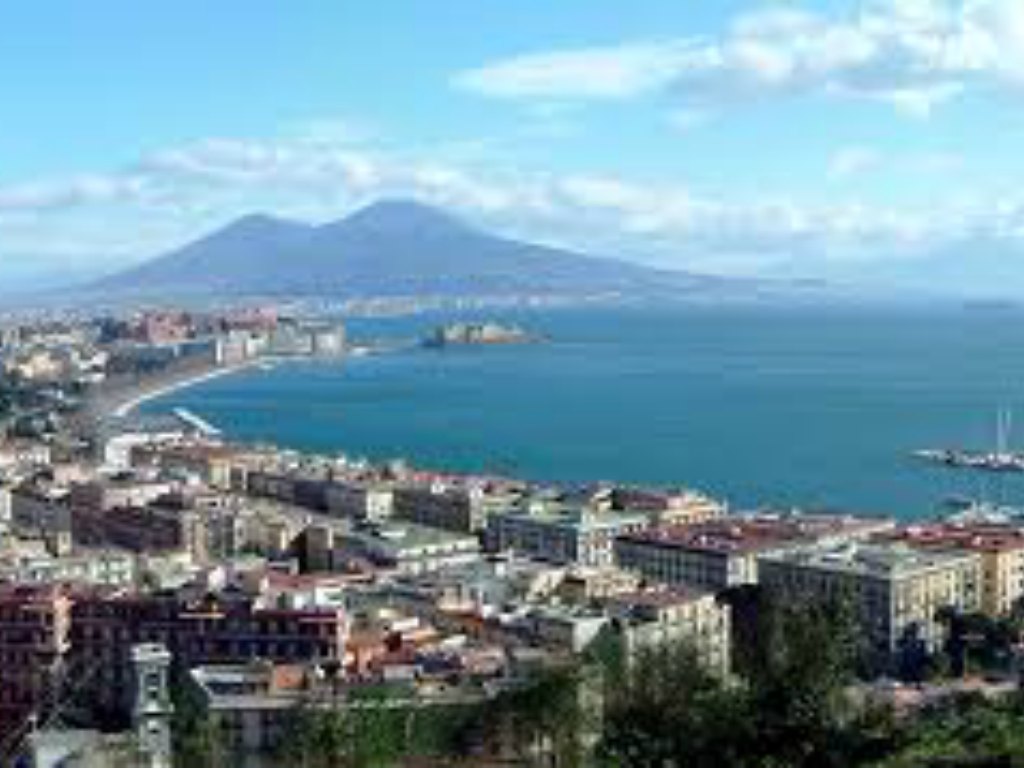

Naples has long been a centre of art and architecture, dotted with Medieval, Baroque and Renaissance-era churches, castles and palaces. In the 18th century, Naples went through a period of neoclassicism, following the discovery of the remarkably intact Roman ruins of Herculaneum and Pompeii.The Neapolitan Academy of Fine Arts, founded by Charles III of Bourbon in 1752 as the Real Accademia di Disegno (en: Royal Academy of Design), was the centre of the artistic School of Posillipo in the 19th century. Artists such as Domenico Morelli, Giacomo Di Chirico, Francesco Saverio Altamura, and Gioacchino Toma worked in Naples during this period, and many of their works are now exhibited in the Academy’s art collection. The modern Academy offers courses in painting, decorating, sculpture, design, restoration, and urban planning. Naples is also known for its theatres, which are among the oldest in Europe – the Teatro di San Carlo opera house dates back to the 18th century. Naples is also the home of the artistic tradition of Capodimonte porcelain. In 1743, Charles of Bourbon founded the Royal Factory of Capodimonte, many of whose artworks are now on display in the Museum of Capodimonte. Several of Naples’ mid-19th-century porcelain factories remain active today.